Sweet Pea Embroidery Font: Crafting a Handmade Brand Identity
There is a specific moment in the lifecycle of a creative project where the design shifts from "functional" to "felt." It happens when you stop worrying about grid systems and start worrying about the emotional connection. If you are building a brand that values warmth, craftsmanship, or a personal touch, rigid, geometric typography often feels like a mismatch. You need something that breathes. Enter the Sweet Pea Embroidery Font. This isn’t just a collection of glyphs; it is a typeface designed to mimic the organic flow of thread on fabric, bringing a distinct, tactile quality to digital and print designs alike.
For designers, small business owners, and content creators, finding a font that balances whimsy with legibility is a rare feat. The Sweet Pea script embroidery font manages to walk this tightrope beautifully. It exudes a charm that feels familiar—reminiscent of grandmother’s linens or a high-end boutique’s packaging—while remaining versatile enough for modern digital applications. If you are looking to infuse your work with a sense of authenticity and floral elegance, understanding how to deploy this specific style of typography is your first step toward creating designs that truly bloom.
The Visual Language of the "Stitched" Aesthetic
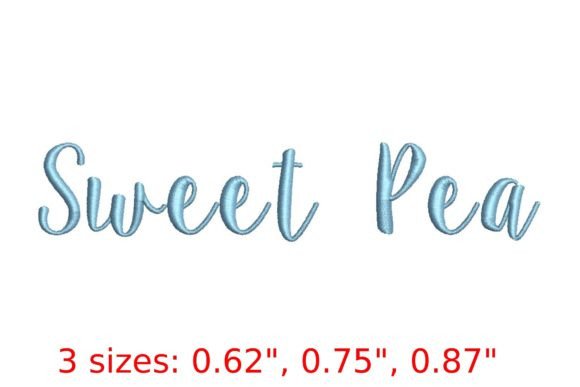
What makes the Sweet Pea typeface stand out in a sea of thousands of script fonts? It comes down to the construction of the letterforms. Unlike standard calligraphy brushes that rely on ink flow, this font is built around the logic of embroidery. The strokes have a distinct texture and weight that suggest a needle and thread, yet it retains the smooth scalability of a vector file. This makes it a premium font asset for anyone looking to bridge the gap between digital design and physical product creation.
Visually, the font features delicate connections and whimsical loops. It avoids the aggressive slant of traditional cursive, opting instead for a more upright, approachable stance. This is crucial for brand identity. A font that is too slanted can feel urgent or aggressive; the Sweet Pea script, however, feels patient and handcrafted. It communicates that care was taken in the creation of the product or message. For a logo design, this translates instantly to a brand promise of quality and personal attention.
From File Format to Fabric: Practical Applications
While the aesthetic appeal is obvious, the utility of the Sweet Pea Embroidery Font lies in its versatility. Because it comes with multiple embroidery file formats, it is a powerhouse for physical merchandise. However, its application extends far beyond the hoop. Here is how different creatives can leverage this typeface:
- Packaging and Labels: If you sell handmade goods, cosmetics, or artisanal foods, the font instantly elevates your unboxing experience. It signals "small batch" and "homemade" without looking amateurish.
- Social Media Graphics: In the scroll-heavy world of Instagram and Pinterest, textured typography stops the thumb. Using Sweet Pea for quotes, announcements, or headers creates a cohesive, aesthetically pleasing grid that feels curated.
- Digital Products: For creators selling planners, invitations, or wall art, this font adds the "hand-lettered" look that customers love, saving you hours of manual digitization.
- Web Design and Blogs: While it shouldn't be used for body text, it serves as a stunning accent font for headers, pull quotes, and navigation menus on lifestyle blogs, wedding sites, or boutique e-commerce stores.
The transition from digital to physical is where this font truly shines. If you are a small business owner creating merchandise—think tote bags, t-shirts, or tea towels—the Sweet Pea font provides the vector precision needed for screen printing or the file formats required for machine embroidery. It ensures that your brand identity remains consistent whether your customer is viewing your website or wearing your product.
Strategic Typography: Pairing and Professionalism
One of the most common pitfalls in modern typography is the overuse of decorative fonts. The Sweet Pea script is a display font, meaning it is designed for impact, not paragraphs. To use it effectively, you must master the art of font pairing.
Because Sweet Pea has a high level of detail and personality, it demands a quieter partner. Pairing it with a clean, geometric sans serif font creates a beautiful contrast that grounds the whimsy of the script. For example, using a bold, all-caps sans serif for sub-headers allows the Sweet Pea script to shine in the main headline without overwhelming the reader.
Conversely, if you are going for a vintage or rustic aesthetic, pairing it with a sturdy serif font can work, provided the serif is not too ornate. The goal is readability. You want the viewer to absorb the message effortlessly. If the supporting text fights with the header for attention, the design fails. Treat the Sweet Pea font as the protagonist of your layout; give it space, and let the supporting cast (your body text) provide the structure.
Technical Considerations for Flawless Execution
Adopting a new typeface requires more than just installation; it requires a review of the technical specifications to ensure it meets your project's needs. The Sweet Pea set is comprehensive, offering 156 letters in various sizes. This depth is vital for maintaining visual consistency across different media.
When reviewing the design assets, pay close attention to the sizing and stitch information provided. As noted in the technical details, the dimensions provided are often summaries based on specific characters (like "A" or "a"). For editorial design or large-scale print materials, reviewing the full dimension details is essential. You need to ensure that when you scale the font for a poster or a banner, the "thread" texture remains legible and doesn't turn into a visual blob.
Furthermore, consider the commercial licensing. If you are a creative entrepreneur or marketing professional, you are likely using this font to generate revenue. Always verify that your license covers the specific usage you intend—whether that is embroidery on goods for sale or digital assets distributed to clients. A professional presentation relies on ethical and legal asset management just as much as it relies on visual flair.
Elevating Your Brand Narrative
Ultimately, the Sweet Pea Embroidery Font is more than just a creative font; it is a storytelling device. In a digital landscape saturated with cold, corporate sans-serifs, this typeface offers a return to the human touch. It tells your audience that your brand values the details, the craft, and the beauty of imperfection.
Whether you are designing a wedding invitation suite, branding a new line of organic skincare, or creating marketing assets for a boutique lifestyle blog, this font provides the visual vocabulary to express elegance and approachability. It allows you to create stunning works of art that capture the heart, ensuring your designs don't just get seen—they get remembered. By integrating Sweet Pea into your toolkit, you aren't just choosing a font; you are choosing to let your creativity flourish with timeless charm.